
Most families have a few pieces of jewelry that don't get worn anymore. A class ring from high school, a wedding set from a past marriage, a gold chain that belonged to Dad, or a box of rings and pendants from an estate. Bloomer jewelry auctions give those pieces a second life with new owners, and they give sellers a fair way to turn them into cash.
Wilson Creek Auctions has jewelry auction specialists in Chippewa County, working out of Cornell, just down the road from Bloomer. We photograph and describe every piece carefully so buyers know what they're getting, and sellers see the strongest possible prices. If you're new to auctions in general, start with our guide to Bloomer auctions.
The jewelry we see most often
Every collection is different, but certain types of jewelry come through our auctions again and again:
- Wedding and engagement sets, often with diamonds or other stones
- Class rings, usually in gold with a stone and school details
- Men's jewelry, including gold nugget rings, signet rings, chains, cufflinks and tie clips
- Gold chains and bracelets in rope, box, cuban and herringbone styles
- Vintage sterling, from charm bracelets to Southwestern turquoise pieces
- Watches, both classic dress watches and well-known brands
- Gemstone pieces with sapphires, rubies, emeralds, garnets and more
Yellow, white and rose gold: what's the difference?
All three are real gold mixed with other metals. The mix changes the color and the feel:
- Yellow gold is the traditional look, mixed with silver and copper
- White gold is mixed with metals like nickel or palladium, and is often plated with rhodium for a bright finish
- Rose gold gets its pink tone from a higher amount of copper
The color doesn't change the gold content. A 14K white gold ring and a 14K yellow gold ring contain the same percentage of gold. What matters most for value is the karat, the weight and the quality of any stones.
A note on class rings
Class rings are one of the most common pieces people ask us about. Many are made of 10K or 14K gold, which gives them real value. Some, however, were made from less valuable alloys that look like gold but aren't. A quick look at the stamp inside the band usually tells the story, and we're glad to check for you.
Selling jewelry at auction
When you sell jewelry to a store or a gold buyer, you usually get one offer, often based only on metal weight. That works for broken or scrap pieces, but it can leave money on the table for anything with style, history or quality stones.
At auction, buyers compete. A well-made wedding set, a vintage piece or a signed designer item can bring well above its melt value because several people want it.
Questions sellers often ask us
- "Should I clean my jewelry first?" A gentle wipe is fine, but skip harsh chemicals, ultrasonic cleaners and any attempt to remove stones.
- "Do I need an appraisal?" No. If you have one, bring it, but we can review pieces without it.
- "Can I sell just one piece?" Yes. Single items are welcome, though grouping similar pieces can help.
- "What if it's broken?" Broken gold and silver still have metal value, and some damaged pieces are still collectible.
- "How long does it take?" Your pieces go into an upcoming sale, and you're paid under our seller's contract once the auction closes.
How the process works
- Call or message us to tell us what you have
- Meet with us to look over the pieces together
- We photograph and describe each one in detail
- Your jewelry is listed in an online auction
- Buyers across the country bid, and you're paid after the sale
If your items include gold or coins over $500, those sell with 0% seller commission.
Buying jewelry at auction
For buyers, auctions are one of the best places to find unique jewelry at fair prices. You'll see vintage and estate designs that simply aren't made anymore.
A few tips before you bid:
- Read the full description, including karat, weight, stone details and ring size
- Zoom in on photos of hallmarks, clasps and settings
- Check current gold prices so you know the metal value
- Include the buyer's premium and shipping in your maximum bid
- Ask us questions before the sale closes if anything is unclear
All of our sales run online, so you can bid from home. Our guide to Bloomer online auctions covers bidding basics, auction terms and tips for rural internet connections. And because many of the best pieces come from family collections, our guide to Bloomer estate auctions is worth a read if you're handling a loved one's jewelry.
Whether you're selling a single ring or bidding on your next favorite piece, we're here to help. Contact us or call 715-505-4363.
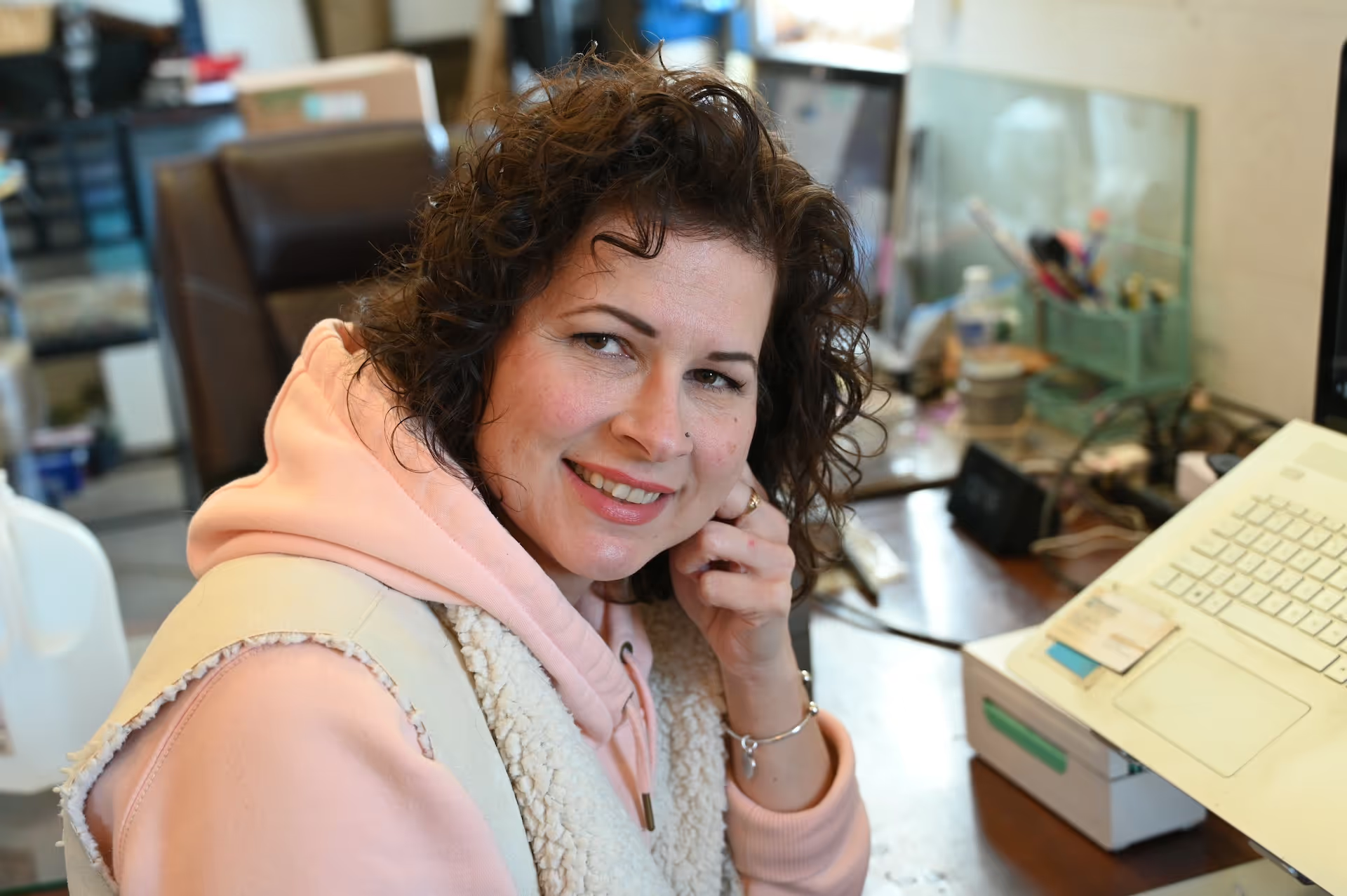
Cat James works with consignors and bidders at Wilson Creek Auctions in Cornell, Wisconsin, on each of our weekly coin, gold and jewelry auctions.
Meet Cat and the Wilson Creek team