
A jewelry box can hold a surprising amount of value. Gold chains, a grandmother's ring, a vintage sterling bracelet or an old watch can all bring strong prices in the right sale. Chippewa Falls jewelry auctions connect those pieces with buyers who appreciate them, whether you're looking to add something special to your collection or sell pieces you no longer wear.
Wilson Creek Auctions is a trusted coin and jewelry auction house in Cornell, here in Chippewa County. We photograph and describe every piece carefully, so buyers know exactly what they're bidding on and sellers get the attention their jewelry deserves. If you're new to local sales, start with our overview of Chippewa Falls auctions.
What jewelry sells well at auction
Almost any quality piece can do well at auction, but a few categories draw consistent interest:
- Gold jewelry: chains, bracelets, rings, pendants and earrings in 10K, 14K and 18K
- Engagement rings and wedding bands, especially with good stones or classic settings
- Vintage and antique sterling: cuffs, charm bracelets, brooches and Southwestern pieces
- Gemstone jewelry: sapphires, rubies, emeralds and other colored stones
- Watches: classic dress watches and well-known brands
- Signed costume jewelry from collectible designers
Estate pieces are especially popular. Buyers love designs from past decades that you can't find in a store today. Many of these come from family collections, which we cover in our guide to Chippewa Falls estate auctions.
How to read hallmarks and judge value
Hallmarks are small stamps, usually inside a ring band or near a clasp, that tell you what a piece is made of. Learning a few common ones goes a long way:
- 10K, 14K, 18K (or 417, 585, 750): solid gold at different purities, with 18K the highest of the three
- 925 or STERLING: sterling silver, which is 92.5% silver
- PLAT or PT950: platinum
- GF or 1/20 12K GF: gold-filled, a thick layer of gold over another metal
- GP, GE or HGE: gold-plated or gold-electroplated, with very little actual gold
Beyond the metal, several things affect what a piece is worth:
- Weight, since gold and silver carry a melt value that sets a floor on price
- Stones, including size, cut, clarity and whether they're natural or lab-created
- Maker or designer, because a signed piece can bring far more than melt
- Age and style, with certain eras and designs in high demand
- Condition, including worn prongs, missing stones or repairs
A good auction listing covers all of this. When you're bidding, read the full description and zoom in on every photo, especially the hallmarks, clasps and prongs. If something isn't clear, contact us before the sale closes. All our sales run online, and our guide to Chippewa Falls online auctions walks through bidding step by step.
Tips for buyers
- Check current gold and silver prices so you know the melt value floor
- Set a maximum bid that includes the buyer's premium and shipping
- Compare similar pieces that have sold recently
- Don't assume a big stone is a diamond unless the listing says so
- Ask about ring size and whether a piece can be resized
Selling jewelry at auction
When you sell to a store or a gold buyer, you usually get one offer, often based on scrap weight. At auction, buyers who want your specific piece compete for it. A well-made ring, a signed designer piece or a vintage style can sell well above its metal value.
One seller who listed her wedding ring with us told us it sold for more than she expected, and that the photos and details attracted plenty of bids. That's the advantage of a specialty auction: the right buyers see your jewelry, and they know what they're looking at.
Timing can matter too. Gold and silver prices move every day, so jewelry with a lot of metal weight may bring more when prices are strong. Pieces with designer names, quality stones or vintage appeal depend more on collector demand than on the metal market. If you're not sure which group your jewelry falls into, we're happy to take a look and give you an honest opinion before you decide.
How to prepare jewelry for sale
- Gather any paperwork, appraisals, receipts or original boxes
- Don't use harsh cleaners or try to remove stones
- Keep matching sets and pairs together
- Separate pieces you want to keep from those you want to sell
- Write down anything you know about the history of each piece
How selling with us works
- Contact us by phone or message and tell us what you have.
- Meet with Cat or Jeremy to go over the pieces and talk through what to expect.
- We photograph and describe each item in detail.
- Your jewelry goes to auction in front of buyers across the country.
- You get paid under the terms of our seller's contract.
If your collection includes gold or coins over $500, those sell with 0% seller commission.
Whether you're hunting for a vintage ring or ready to sell pieces that have been sitting in a drawer, we'd be glad to help. Contact us or call 715-505-4363 to get started.
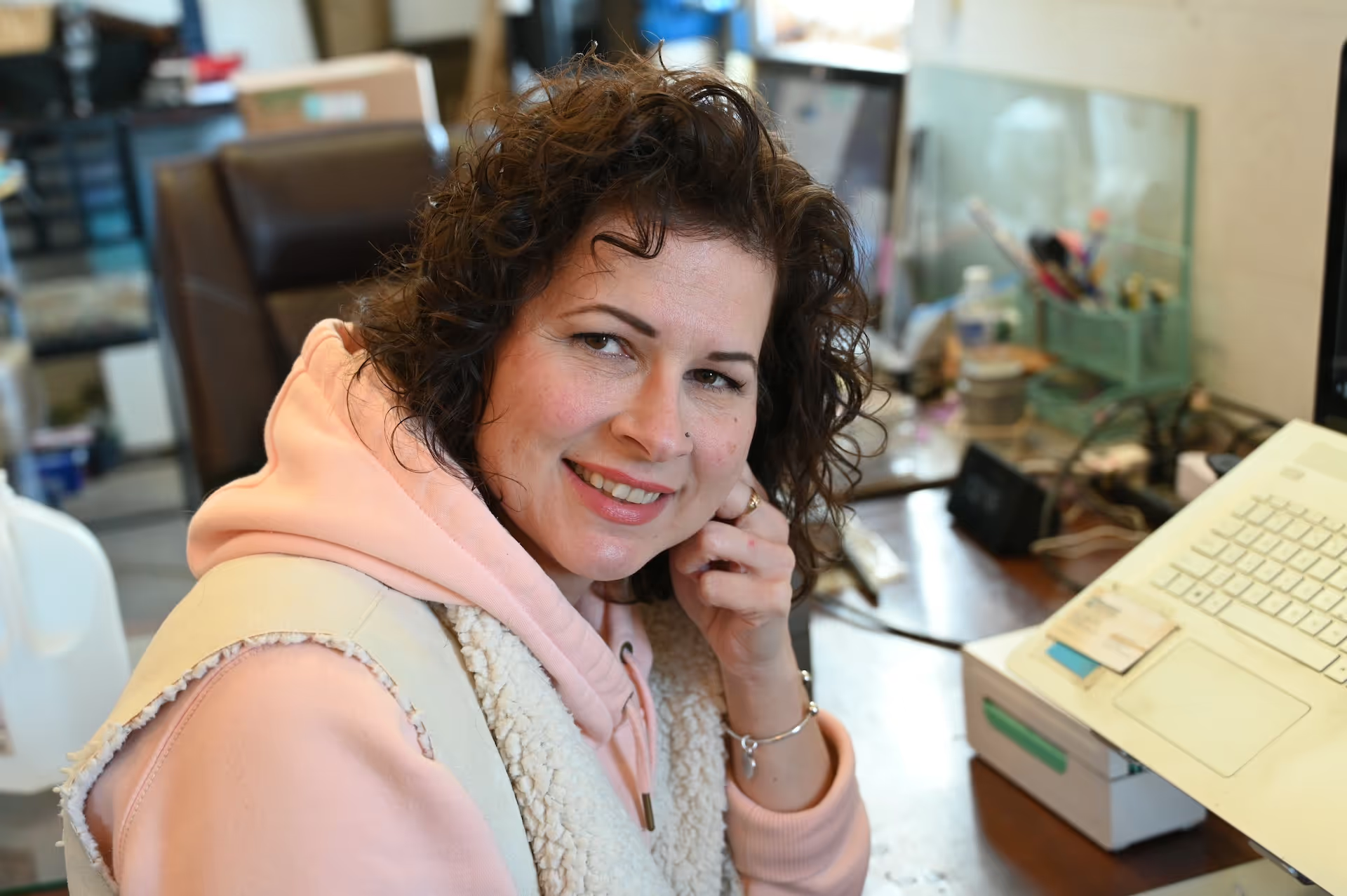
Cat James works with consignors and bidders at Wilson Creek Auctions in Cornell, Wisconsin, on each of our weekly coin, gold and jewelry auctions.
Meet Cat and the Wilson Creek team